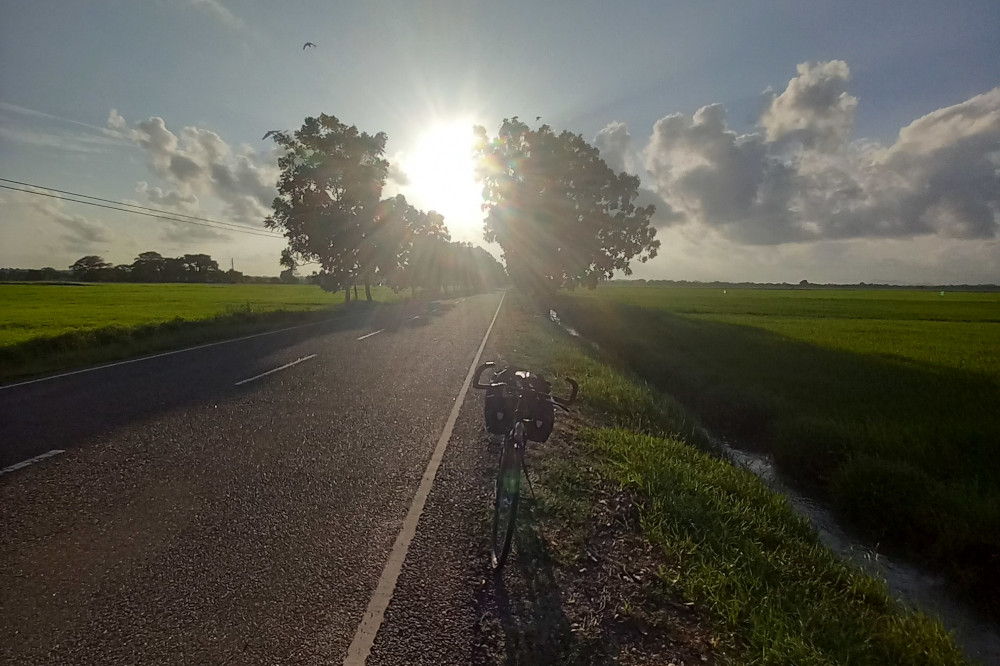

Thinking about bicycling Sri Lanka? Read this! After some previous positive experiences in Portugal and Greece, I decided to go on a 20-day bicycle trip in Sri Lanka. Here’s how it went down, what I learned, and how it is to bicycle in Sri Lanka. Maybe it’s your turn to go on the same journey?
Stefan Nordström

- Freelancing digital marketing consultant
- 10+ years of in-house and freelancing experience
- Expertise: Content marketing, SEO, copywriting, localization, translation, newsletters
- LinkedIn | Mail | Instagram
Why Sri Lanka?
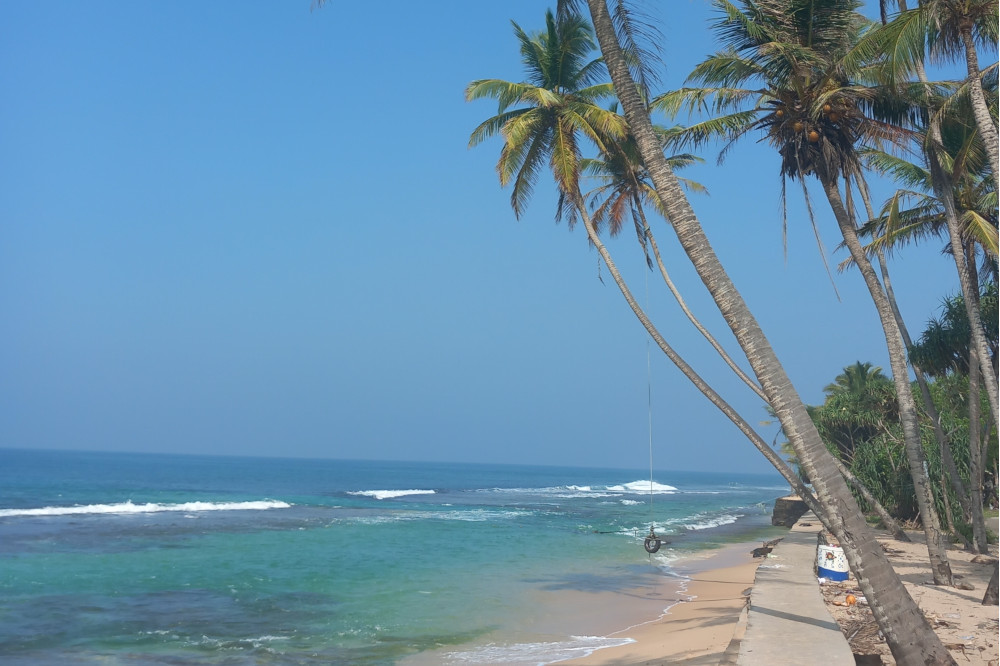
I’ve visited plenty of Asian countries, but Sri Lanka was still left on my bucket list. As the country is fairly small and mostly flat, I figured it would fit well for bicycling. I also found a few YouTube videos where people cycled around the island and had a good time. A good source of inspiration, no doubt.
Bicycling Sri Lanka was an excellent choice. It’s a friendly country with a lot of variation and a good road network. Let’s dive further into my journey and my experiences.
How’s the traffic situation?
My main concern was the traffic situation, as I previously only bicycled in Europe. It went mostly fine, but Sri Lankan traffic can be challenging. You have to watch out for the buses and trucks, as most of them simply bully other vehicles off the road. But the Asian honking culture helps a lot, as you can often hear them coming in good time.
I’d say the traffic in Sri Lanka is quite typical for South Asia. The population centres are messy, which can be entertaining or frustrating, depending on your mood. Attention level can be so-so, so I often played it safe in potentially risky traffic situations. As a Swede, driving on the left side can also cause some confusion.
After a couple of days on the road, I settled into the Sri Lanka traffic flow and tempo. I think I worried a tad too much over dealing with the traffic, because it all went fine. Just don’t expect people to drive like they do in your country if you’re European.
My Sri Lanka bicycle route
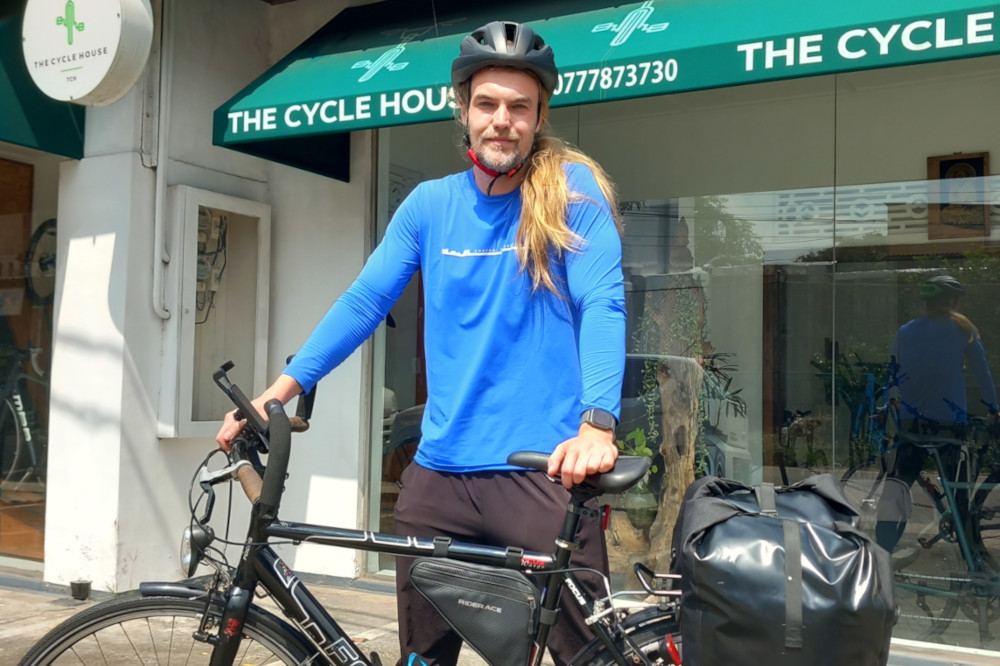
I wound up renting my bicycle from The Cycle House in Mount Lavinia (south Colombo) for 20 days. It was 1 500 rupees (5$) per day, including equipment like helmet, lock, bags and a few other things. The bicycle was not a mountainbike (8 gears), but it held up perfectly during the trip. Communication and service from the shop was also perfect, so I highly recommend them!
My full Sri Lanka route:
- Mount Lavinia (Cycle House) -> Balapitiya (69 km)
- Balapitiya -> Hirikeitya Beach (101 km)
- Hirikeitya Beach -> Tissamaharama (87 km)
- Tissamaharama -> Wellawaya (75 km)
- Wellawaya -> Ella (25 km)
- Ella -> Aragum Bay (135 km)
- Aragum Bay -> Oluvil (57 km)
- Oluvil -> Pasikuda (89 km)
- Pasikuda – Trincomalee (113 km)
- Trincomalee -> Pidurangala (98 km)
- Pidurangala -> Kurunegala (90 km)
- Kurunegala -> Negombo (85 km)
- Negombo -> Mount Lavinia (Cycle House) (53 km)
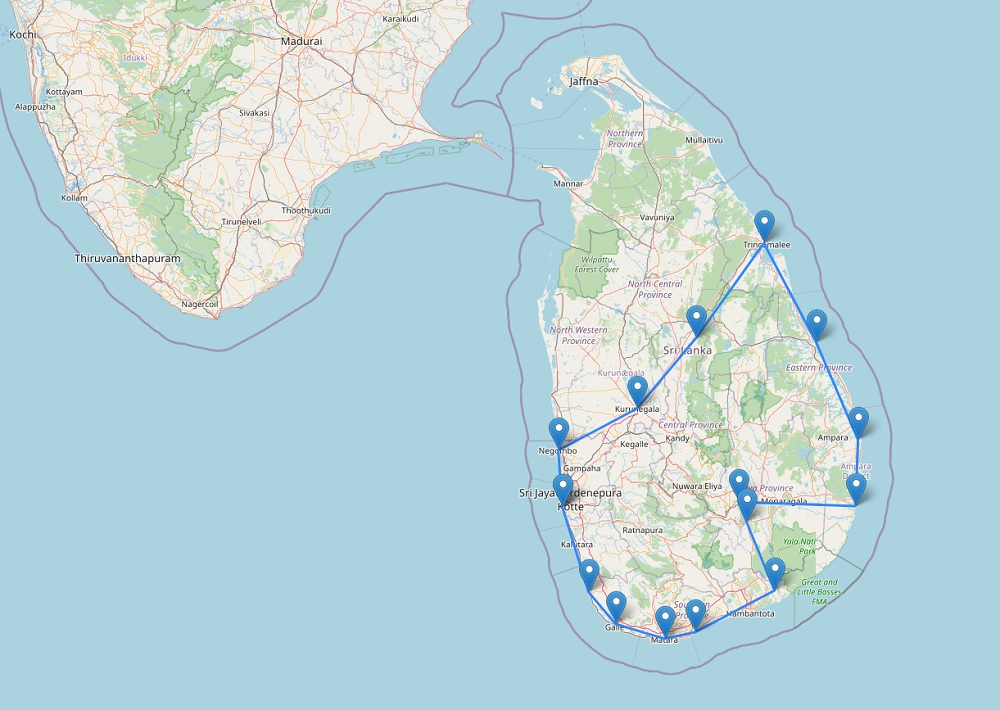
Where was I staying on my bicycle trip?
I mixed budget hostels, homestays and resorts. I always travel cheap, and on this trip I spent around 10$ per night on accomodation, sometimes including breakfast. Some nights were spent in dorms, but it was mostly private rooms. My highlight was probably Freedom Camp in Ella, a spacious tent accomodation with a nice mounain view. I do think that some of the places I stayed on east coast are more expensive in season though. This said, I definitely want to try full-on bikepacking with a tent at some point.
The different sides of bicycling Sri Lanka
I have to admit I knew very little about Sri Lanka before traveling there. I’ve heard many positive things, but I didn’t know that the country had so much variation. Bicycling is a really good way to explore Sri Lanka, since you get to see many places that other travelers are likely to miss, and you can avoid some overcrowded tourist traps while you’re at it.
Southwestern Sri Lanka and the mountain parts
After getting out of the intense Colombo traffic, I spent the first two days following the beaches in south Sri Lanka. Amazing roads with plenty of charming shacks to stop for coffee and food. As the road turned inland, the views turned to safari country, rice fields and jungle. I got a food poisoning in Wellawaya that unfortunately made me so weak that I had to take a tuktuk up to the mountain town of Ella.
After some solid rest in Ella, I got back on the bicycle and completed a marathon ride to the famous surf spot Aragum Bay. Beautiful place, but it was so out of season I could barely find a single traveler there. But it was still worth it, because I got some of the most beautiful pictures when I arrived in Aragum.
The east coast
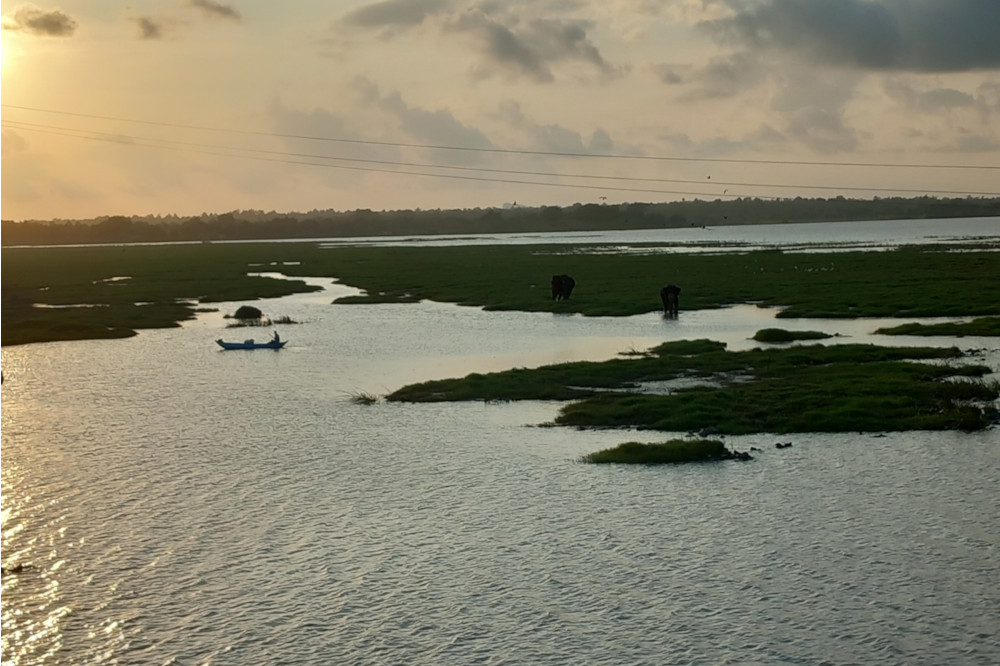
Many places on the east coast definitely don’t see many tourists, especially long-haired Swedish bicycle travelers. I got caught in many random interactions and received many positive gestures that kept me going. It was necessary, because much of the bicycling on the east side was rather monotone. Many rural drawn-out sections without much variation or views. The break in beautiful Pasikuda was the highlight, hitting the superb beach and having a few Lion Lager in the sunset.
The way back to Colombo
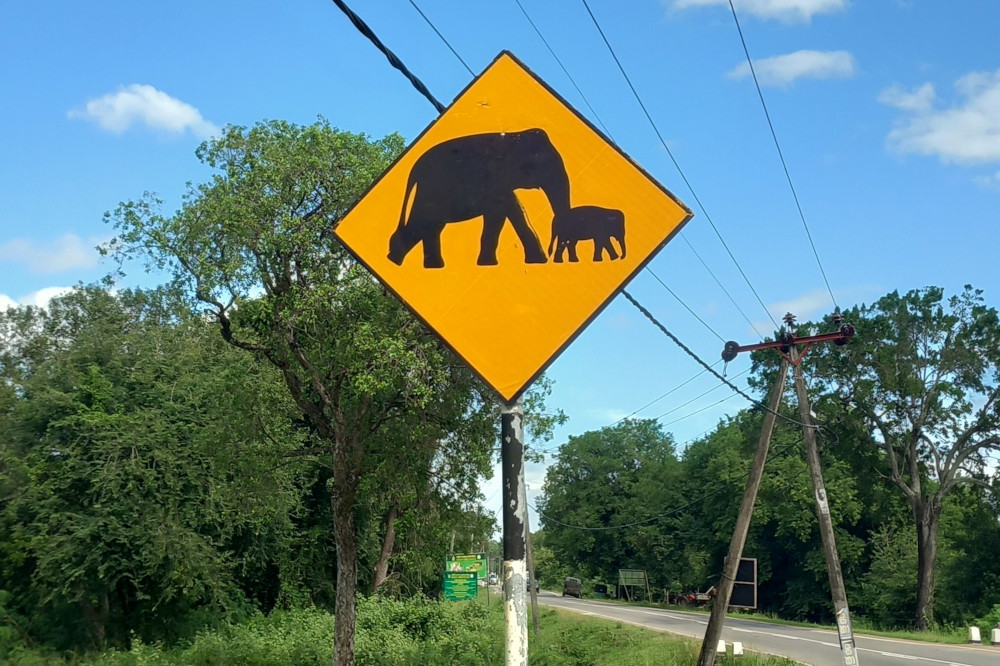
The inland road through Pidurangala and Kunuregala meant more traffic and more place sto stop. After being so isolated with boring roads for a while, it was welcome. The wildlife corridor in Hurulu was not a little bit wild, it was actually beyond wild. My hotel manager in Trincomalee warned me about this one, and he was right.
I’d seen a lot of wildlife on the road before, including crocodiles, monkeys and water buffalos, but this was something else. Elephants randomly showed up from the foliage way too close for comfort on several occasions, and I had to keep on the middle of the road to stay reasonably safe. It was pretty nuts, and probably far from safe.
If I would change something in my itinerary, I’d probably skip the east coast and ride up the mountains towards Kandy and Nuwara Eliya instead. It’s a way more challenging ride, but I think most people would enjoy those sights more. Just be physically prepared, because there are some brutal climbs around that area.
Anyway, this highlights the variation that bicycling Sri Lanka has to offer. The combo of ocean views, jungle, rice fields and mountains really gives a cool experience.
People and infrastructure
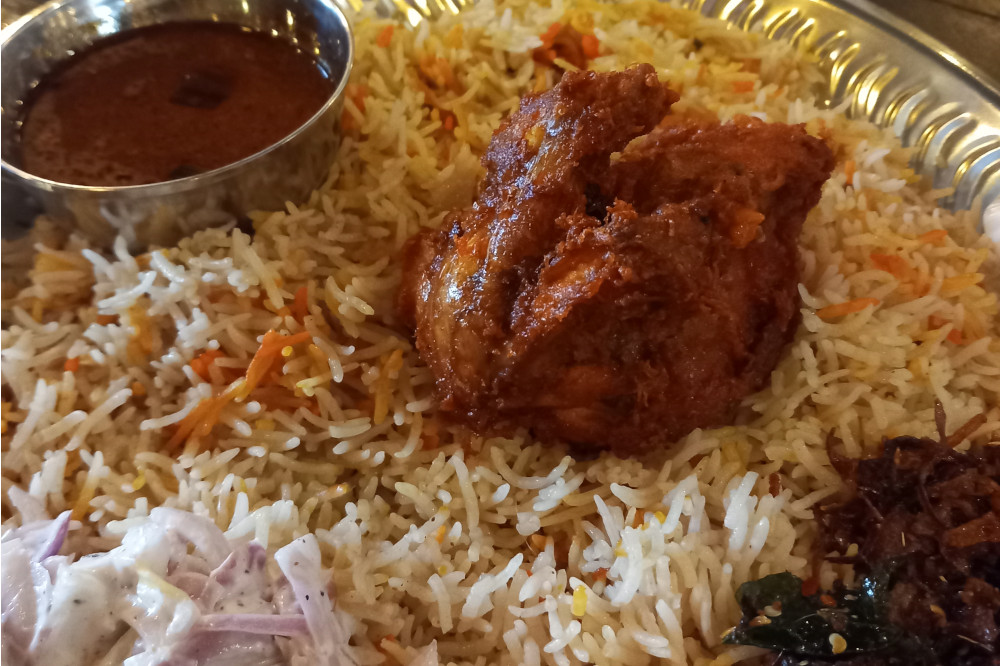
The Sri Lankan people are generally very hospitable and welcoming. This is a huge plus when bicycling, because you tend to get into situations where the kindness of strangers really helps. Most of the roads have plenty of small shops and cafés where you can find water and snacks. Traditional food is also very cheap if you avoid the tourist zones. A fried rice or biryani will set you back something like 2 euros in most cases.
If you’re using Google Maps, go for the car route instead of the walking/bicycling options. My experience is that the walking settings easily takes you down small rural roads that might not even exist, or they’re just small and inconvenient to ride. Most of the roads have decent shoulders to ride on, but you can’t count on it. The Asian honking culture really helps in these cases, since it helps you know when to move aside.
Doesn’t Sri Lanka get super hot? What about the sun?
No, I was expecting it to be tougher. Most of the island has a cool breeze, and it’s often overcast, at least in the season I was riding. Don’t get me wrong, it definitely gets sweaty, but I rarely felt heatstruck. The temperature was constantly around a fairly comfortable 25-30 C.
I used my UV hiking long sleeve shirt to get good coverage, and it did the trick. Just don’t forget to SPF your face. And don’t underestimate the sun exposure to your hands and wrists. Mine got unexpectedly burned the first few days. Not a major issue, but it looked pretty weird. Lastly: plan generously and don’t push. Have margins so you can enjoy the sights and have time to deal with issues that might arise during the bicycling trip. Things usually take longer than planned.
Final words on bicycling Sri Lanka
If you can deal with the physical side and the heat, biycling Sri Lanka is an excellent way to explore the country. It’s different than traditional backpacking, and I believe it helps you see more of the country. Personally, I’m already looking at doing another bicycle trip in Asia in 2026!